
If I were to ask you on the spot right here, right now “What’s REALLY important to you?” could you answer me with wholehearted confidence and no time to think about possible answers or second guessing? Could you be that sure?
No! Well then, read on and find out how you can do that.
Just know that you are not alone on this. The majority of people go about their busy days not stopping to question why they are living the way they are. They just know that this is what they do and they have to do it – day in and day out on autopilot. This is their life and that’s all they know and they would tell you that that’s just the way their life is.
Does what you are currently doing actually align with who you are and what you really want from life. If not, your moral compass is a little out of whack and pointing you in the wrong direction. Usually unhappiness is the by-product of these actions.
Women, in particular, may struggle in life and feel torn, frustrated and disconnected because we burn emotion into everything we do and experience. We have such great memories because we remember how we felt at significant times in our life. Its’ part of our nurturing nature and, if we are not living according to our own moral rules we experience misalignment that causes moral distress.
Values Development Periods
Your unique set of values has developed throughout your life in three main stages.
The Imprint Period: Up to the age of seven you are like a sponge absorbing everything and accepting much of it as true, especially when it comes from your parents. This is when you learn a sense of right and wrong, good and bad.
The Modelling Period: Between the ages of eight and thirteen, you copy people, often your parents, but also other people. Rather than have blind acceptance, you try on things to see how they make you feel.
The Socialisation Period: Between the ages of 13 and 21, you are very largely influenced by your peers. As we develop as individuals to tend to steer away from earlier programming and naturally turn to people more like you. Media and social media also plays a huge part at this time.
Are you Moving Away From or Towards Your Values?
It is so beneficial to be clear on what your values are because when you honour your values on a regular and consistent basis, your life is good and fulfilling. Important life decisions are easier to make and outcomes are more rewarding when the decisions are viewed through a matrix of well-understood personal values.
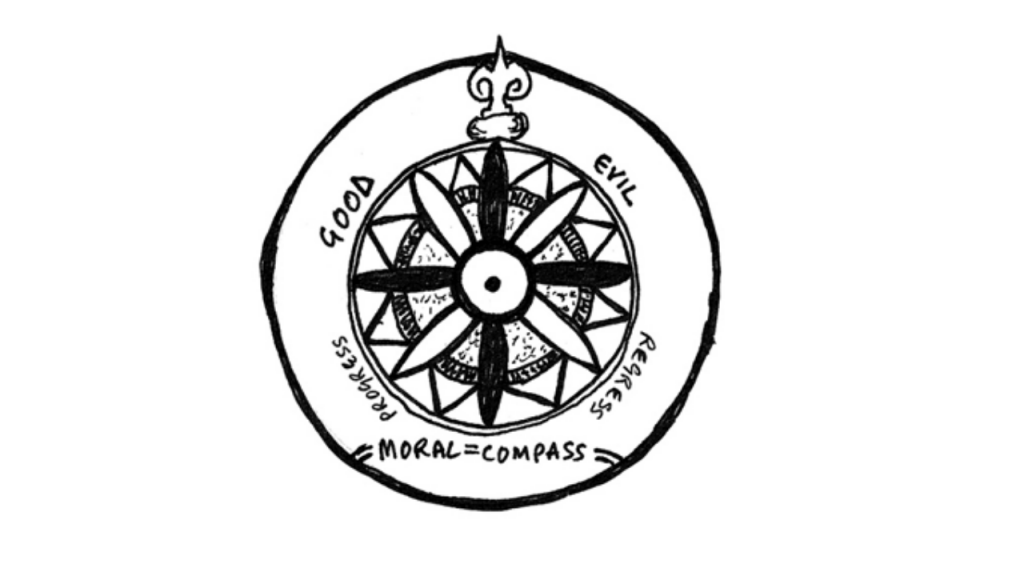
If you ‘move towards’ your life values you are energised by accomplishment and by achieving goals and are always moving towards a positive result. You are more likely a go-getter and doer with high energy for achievement and are always moving towards something you want. Your language is ‘positive’ and always about ‘how to get what you want’.
If you ‘move away from’ your values then you are motivated by threats like deadlines, penalties and avoidance of potential problems.
You may use the word ‘don’t’ and other negative language in their vocabulary a lot eg. “I don’t want to be broke” so you visualise being broke and work to avoid it and therefore unconsciously move away from their value of being financially secure.
Clarifying Your Values
Have you ever done a ‘Values’ exercise to drill down and find out what makes you happy, excites you and gives true meaning and direction to how you need to be living, working and playing.
Your ‘values’ are who you are and your personal rules for your life, not who you would like to be; not who you think you should be, but who you are in your life, right now.
Another way to put it is, your values represent your unique and individual essence, your ultimate and most fulfilling form of expressing and relating. Your values serve as a compass pointing out what it means to be true to oneself.
Getting straight around your values may seem like a difficult process. The idea is not to think about it too intensely or fantasize about how you would like your life to be to uncover your true values. It is more about actually looking at your day-to-day actions and interactions that you already have and do
You can look at a list of values and identify with some of them, but the trick is to modify that list to reflect who YOU are.
· Use the list as a prompter only.
· Don’t try to select more socially acceptable values from that list
· Don’t think about how you SHOULD be feeling about things.
· Use your intellect to figure out the correct values words that fit with you and what you stand for
· Examine certain memorable scenarios in your life both past and present.
· Think about what you liked, what you disliked
· When did you felt most rewarded and why?
· Who rattled you and why?
· Who made you feel amazing any why?
· What really resonated with you and why?
· What have you felt repelled by?
Be specific in your mind about the timeframe or moment to help you pinpoint your values.
· What was happening?
· Who was present and what was going on?
· What were the values that were being honoured in that moment?
· What are you hearing?
· What made you feel great when you accomplished or achieved something?
· What does ‘accomplishment’ mean to you?
Go back through your life rather than sit in your head and think of words that fit. Keep looking at peak moments, seeking experiences that you found particularly rich and fulfilling.
Your mind works in imagery so when you remember moments your values will come to you more easily. Don’t struggle to find the perfect words to articulate your values. It’s more about what each value means to you – your unique personal feelings around a value.
You will use your values to help facilitate fulfilling choices, to strategize appropriate actions, and to recognize situations in which values are an issue.
Here are two tips to help you start your personal values list:
1. Use a pencil to write down your values. That way you can erase and change your mind without feeling any anxiety. You won’t get your list right the first time and that is OK. When using ink, you may subconsciously feel some reluctance about writing your values.
2. The second tip when doing values clarification is to use several words together to form a string describing the value. Separating the words with slash marks makes the string easier to read and placing the most significant term for you at the beginning of the word sequence e.g
· Integrity/Honesty/Walk-the-talk
· Integrity/Whole/Congruent
· Leadership/Empower/Collaborative
· Leadership/Decisive/Powerful
Your values will also change from time to time depending on your experiences. I personally revisit my values on an annual basis. One year my top value was ‘Courage’ and everything I did that year I faced my fear, took a deep breath and just moved forward. The next year my top value was ‘Truth’ so for that year I tried to be as open, vulnerable and as authentic as I could be. The year after that was ‘Knowledge’ and this is when I closed up my business for 4 years and fulfilled my dream of becoming a natural therapist to add to my Transformology® skills to help women stop self-sabotaging with ease and gain vitality for living.
Knowing your values is such a powerful tool as your values are your guide to live your life on purpose for happiness and fulfilment.
Values Alignment = Higher Motivation & Lasting Transformation
People often don’t understand the difference between the words ‘change’ and ‘transformation’.
We all have had the experience of getting inspired around a goal, e.g. “I will ride to work” and feeling motivated for a week or two before our enthusiasm wanes. That’s the difficulty, change doesn’t necessarily last. Transformation is permanent.
“Long-lasting transformation requires strong values to be connected to your reasons for evolving you at your deepest core self.”
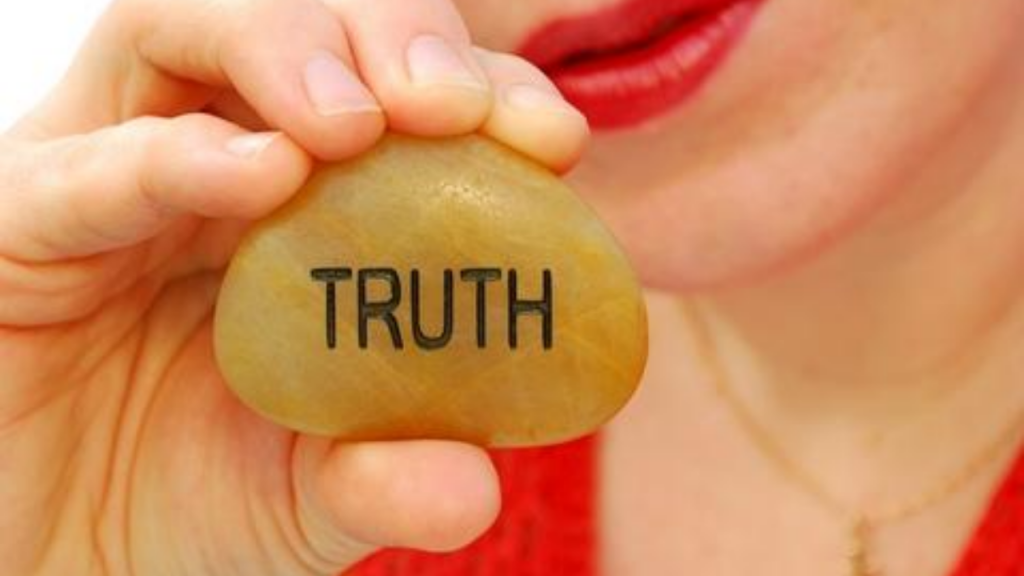
When we value something highly you will sustain the behaviours and beliefs required to create transformation. If you make a strong link to your values then you can fully commit to a positive plan of action that will get results.
When you are aligned with your values you have a higher ‘toward’ motivation and greater chance of success. You goal will feel easier and more efficiently productive. This especially works well when a company adopts a core set of values and all of their employees align with these and align with the mission of the business.
Many of us have created our lives in such a way that we automatically and easily honour many of our values without even being aware that we are doing so. Therefore we may not recognize them as values until something gets in the way and puts us in moral distress
The key is that every upset or moment of distress is likely to signal that one or some of your values are not being honoured.
Must-Haves
Another way for you to identify your values is to look at what you must have in your life. Beyond the physical requirements of food, shelter, and community, what must you have in your life in order to be fulfilled?
· Must you have a form of creative self-expression?
· Must you have adventure and excitement in your life?
· Must you have partnership and collaboration?
· Must you be moving toward a sense of accomplishment or success or be surrounded with natural beauty?
An underlying question for the discovery process is “What are the values you absolutely must honour—or part of you dies?”
Obsessive Expression
We are all capable of obsessive behaviour—insisting on honouring a value, inflating it into a demand rather than a form of self-expression. You’ve probably had an experience like this in your own life, such as when someone else’s value of orderliness became an obsessive demand for perfection.
Our friends and families often do us a service by pointing out the obsessive expression of our values:
· “You are so controlling!”
· “All you think about is your students.”
· “You want all the attention.”
These statements might point toward a value of personal power/ leadership, of learning/growth, and of recognition/ acknowledgment.
Examine those times when you have taken certain values to the extreme.
· “What is it that people say about you?”
· What do you say about yourself?”
· “What is it that people tease you about or that drives them crazy?”
There are important values here that have mutated for some reason. Look for the value, and don’t focus on the mutation.
Determining What You Value Most
After you have brainstormed a list of values, rank the top ten values in priority order.
You can then narrow the list down further to your Top 5 and then go even further to get your Top 3 honing in on your Number 1 Value. Or you may simply choose to give each of your Top 10 values a rating score from 0 -10 and then rank them in order of satisfaction from what you value least to most.
You may find this exercise very revealing and shocked at what you learn about yourself. This exercise will also help to ground you with regard to your sense of self.
This exercise will help to make major decisions in life and make them according to your own internal set of rules for living eg. if you are thinking about taking on a leadership role and leadership is not high on your values list then perhaps that role is not going to be for you.
When you honour your values three things happen:
1. You add additional fuel to your ‘ motivation’ fire and build action plans towards goals
2. You undermine self-sabotage because action based on values is more powerful than your reasons for not taking action or for taking some other course of action
3. You lead a fulfilling life.
Sample Values List
Here is a sample values list for you to begin work with. Remember that you may combine two or three values as long as critical distinctions are not lost e.g. whereas the combination “Honesty/Integrity/Truthfulness” maintains a single distinction, “Honesty/Integrity/Freedom” combines concepts and thereby loses clarity.’
Humour | Participation | Directness | Performance |
Partnership | Collaboration | Productivity | Community |
Service | Personal Power | Contribution | Freedom to Choose |
Excellence | Connectedness | Orderliness | Acknowledgement |
Focus | Comradeship | Romance | Lightness of Being |
Recognition | Spirituality | Harmony | Empowerment |
Accomplishment | Compassion | Efficiency | Integrity |
Forward Action | Creativity | Honesty | Independence |
Success | Nurturing | Accuracy | Joy |
Adventure | Beauty | Respect | Authenticity |
Wealth | Risk Taking | Tradition | Peace |
To Be Known | Elegance | Growth | Vitality |
Trust | Health | Courage | Achievement |
Generosity | Meaningful Work | Fairness | Influence |
Working in Leadership and corporate roles can be quite challenging at times, however, if you nail the unveiling of your values you will gain a more productive, effective and powerful outlook to get results and reach your goals for success faster and more efficiently.
Be Fearlessly Free,
Leanne Boyd xx
I help ambitious female entrepreneurs and leaders turn fear, doubt and self-sabotage into clarity, confidence and resilient strength so they can get out of their own way to recreate the life they want. Once past and present emotional baggage is released, they can reframe their entire view of the world, self and others in a more neutral, open and opportunistic, accepting and compassionate way moving forward unencumbered by fears, insecurities and limitations.
Incorporating the science of epigenetics and specifically designed for the female brain and how women think my process is fast, efficient and enjoyable. I am also a naturopath putting you back on track with your health clearing health-related issues linked to long-term emotional burdens and stress.
I use clinical reflexology and professional face reading to find points within the body that need nurturing. As a qualified Leadership Coach with lots of tips and tricks in my toolkit, I guide Leaders to get the best results they are seeking.
I am a one-stop-transformologist® for women, their emotional and physical health and progressive success results both personally and professionally.
Contact me at Leanne@leanneboyd.com or find me on Facebook www.facebook.com/fearlesslyfree
I would love you to join my private Face Group https://www.facebook.com/groups/fearlesslyfemale/